Car camping is all about easy cooking with low stress. You’re not counting grams, and you usually have room to bring the stove that’s safer, steadier, and simpler to run. So the real question isn’t “which fuel is better,” it’s which fuel is less annoying at the campsite.
Below is a clear, practical breakdown—pros/cons first, then a straight recommendation.
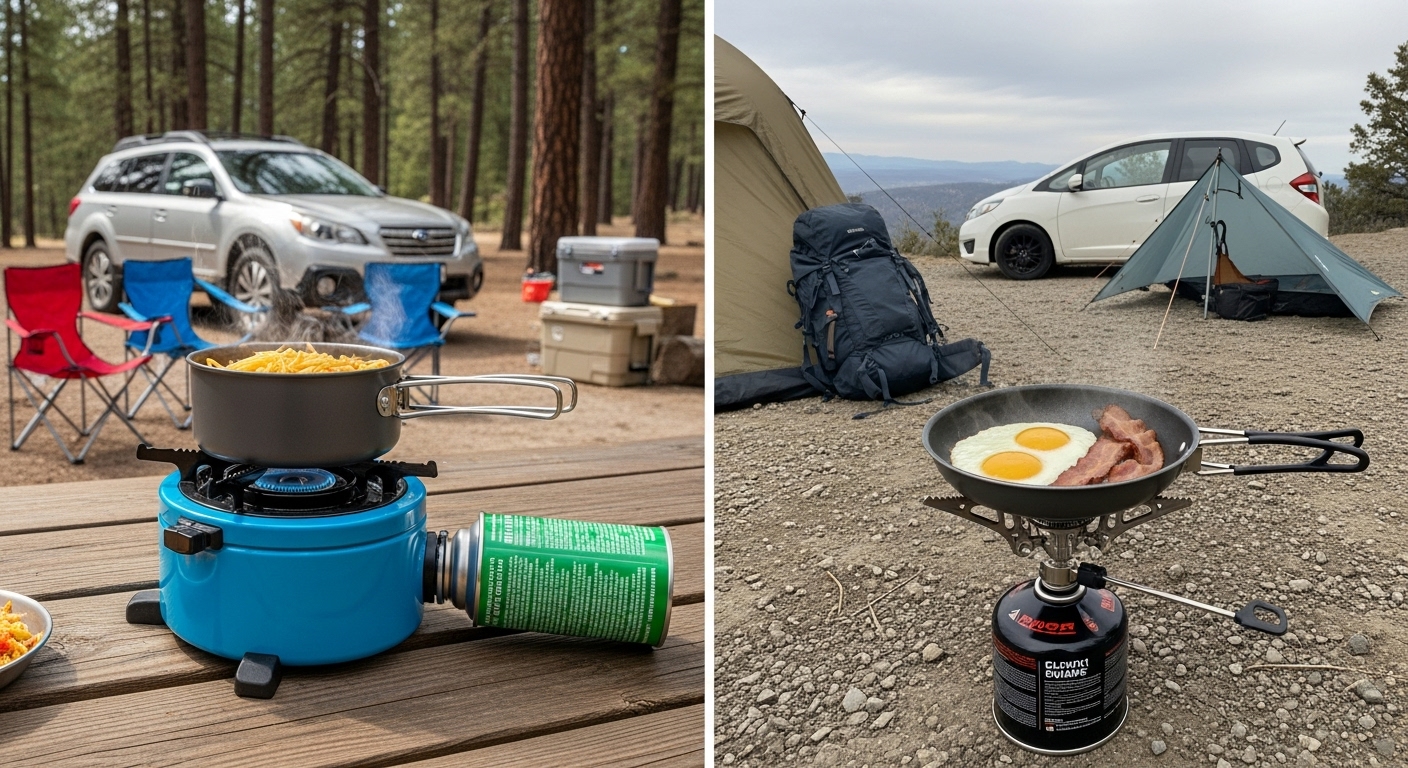
Propane Stoves (Car-Camping Classic)
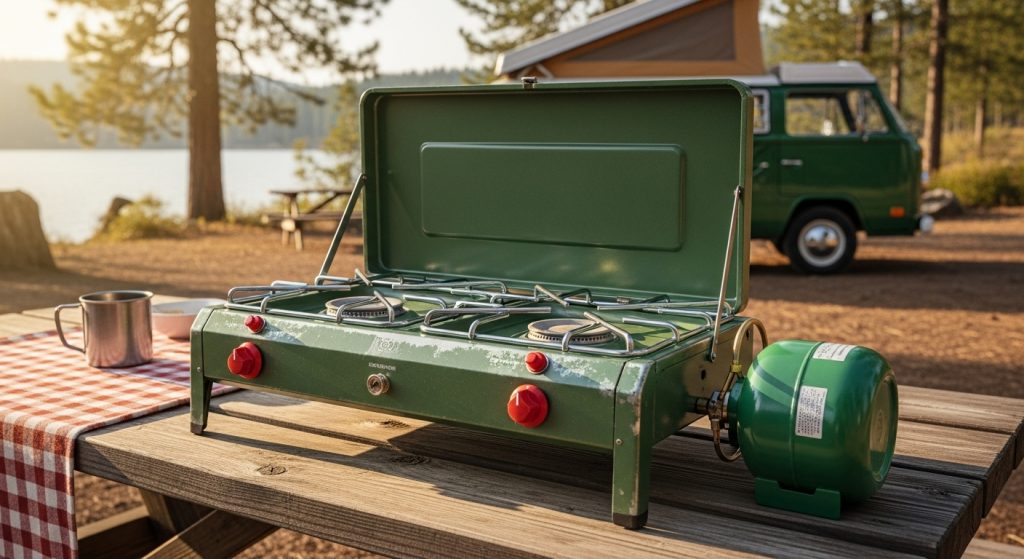
Pros
- Better in cold weather: Propane keeps working more reliably when temperatures drop.
- Strong, consistent flame: Great for boiling fast and cooking real meals.
- Wider stove options: Lots of 2-burner camp stoves run propane, which is perfect for car camping.
- Easier for longer trips: Larger propane tanks last longer and feel “set it and forget it.”
Cons
- Bulkier fuel setup: The common propane cylinder/tank takes up more space than a slim butane can.
- Heavier to pack: Not an issue for car camping, but still noticeable in storage.
- More gear to manage if using big tanks: Hose/regulator setups can add complexity (depending on stove).
Best for
- Car camping in cooler weather, higher elevation, or shoulder seasons
- Cooking with bigger pans/pots and doing real meals
- Longer trips where you want fewer fuel swaps
Butane Stoves (Portable “Tabletop” Style)
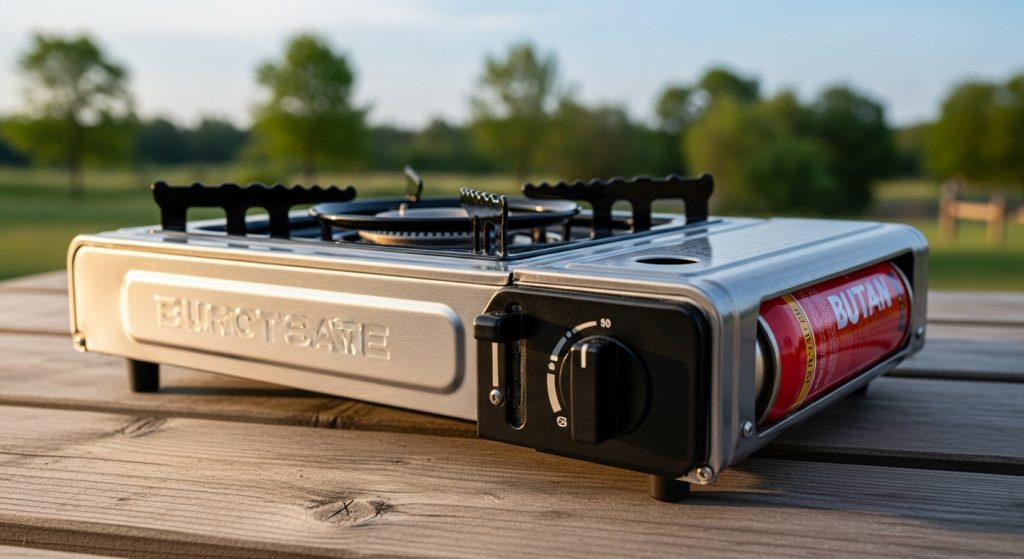
Pros
- Super convenient and compact: Many butane stoves are one-piece tabletop units—easy to bring, easy to store.
- Fast setup: Click in the canister, turn the knob, cook.
- Great flame control for simmering: Often excellent for gentle cooking (sauces, eggs, rice).
- Nice for casual trips: Perfect for quick breakfasts and simple dinners.
Cons
- Cold sensitivity: Butane performance drops more noticeably in cold temps.
- Canister availability varies by location: Usually easy to find, but not as universally stocked everywhere.
- Wind exposure: Many tabletop styles need good placement or wind protection to stay efficient.
- Less ideal for very large pots: Depends on the stove design and support width.
Best for
- Car camping in mild weather
- Quick meals and easy simmering
- Campsites where you want minimal setup time
Head-to-Head: What Matters Most for Car Camping
1) Cold-weather reliability
✅ Propane wins
If you camp when mornings are chilly, propane is the safer bet.
2) Ease of use (no fuss)
✅ Slight edge to butane tabletop stoves
They’re basically “kitchen stove in a box.”
3) Cooking style (real meals vs quick boils)
- For big meals / larger pans / two burners: ✅ propane
- For gentle cooking / simmer control: ✅ butane (often)
4) Fuel efficiency in wind
Usually ✅ propane, but wind management matters more than fuel type. A sheltered cooking area helps both.
5) Storage + packing
✅ Butane is simpler and slimmer for casual trunk storage.
Propane is bulkier but more “camp-standard.”
The Optimal Choice (Most Car Campers)
✅ Choose Propane if you want the least risk and most flexibility.
For most car campers, propane makes more sense because it’s:
- more reliable across conditions,
- better for bigger cooking,
- and easier for longer trips without worrying about cold performance.
✅ Choose Butane if you camp in warm weather and want the easiest “grab-and-go” cooking.
If your trips are mostly summer weekends, butane tabletop stoves are hard to beat for convenience and simmer-friendly cooking.
My Straight Recommendation
If you want one answer for “most people, most car camping situations”:
Propane stove is the smarter default.
But if your camping is mostly:
- warm weather,
- short weekend trips,
- simple meals (eggs, ramen, coffee),
then:
Butane tabletop stove is the most convenient choice.
Quick safety notes (important)
- Cook outside with ventilation (carbon monoxide risk is real).
- Keep fuel away from heat, never leave stoves unattended.
- Don’t fully enclose a stove with a windscreen if it traps heat around the canister.